
Last Updated:
July 17th, 2026

One of the oldest misconceptions about addiction is that it comes down to a lack of willpower. The idea that someone can’t get sober because they simply don’t want it enough has followed addiction around for decades and it still influences how a lot of people think about the condition.
We know now that this isn’t the case and addiction changes the brain in measurable ways, particularly in an area called the prefrontal cortex.
This page looks at the link between addiction and the prefrontal cortex, why damage to this region makes it harder to stop using and what can be done to help the brain recover.
What the prefrontal cortex actually does
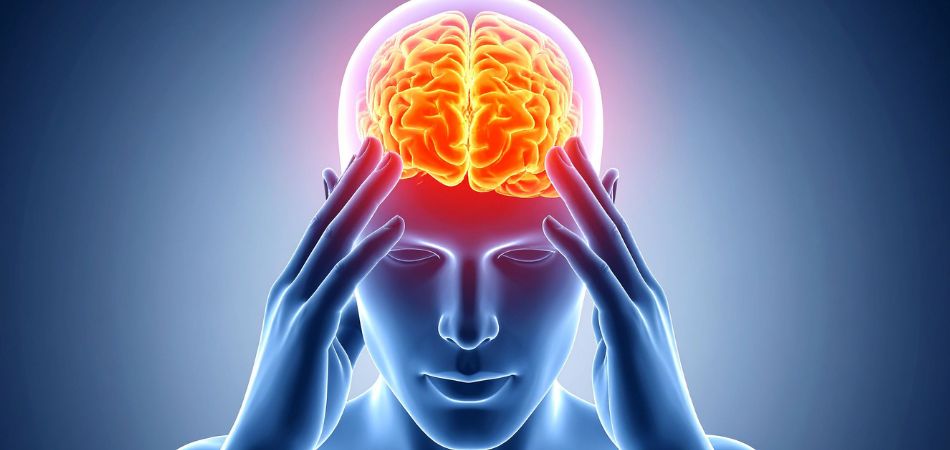
Most people have heard of the prefrontal cortex but not many would be able to tell you what it actually does. The prefrontal cortex is a region in the brain that controls almost everything that makes you feel like you’re in charge of your own decisions.
In fact, one review describes it as the brain’s centre for executive function, and within addiction, this is the area that takes some of the biggest hits. Executive functioning is responsible for:
- Planning ahead
- Holding information
- Stopping yourself from doing something you know you’ll regret
- Connecting what you do now to what happens later
It’s also important to remember that different parts of the prefrontal cortex handle different jobs.
For example, one area helps you plan and hold things in your working memory. Another assigns value to the choices in front of you, helping you decide whether something is worth the risk.
A third part monitors the conflict between competing impulses, like the difference between wanting another drink and knowing you have work in the morning.
When all of these areas are working in tandem, you barely notice them and just feel as though you’re making sensible decisions. But when they stop working as they should, the consequences can affect every part of your life.
Additional Read: When does a habit become addiction
How addiction changes decision-making in the brain
Every addictive substance shares one core effect on the brain in that it causes a surge of a chemical called dopamine. The relationship between dopamine and impulse control is central to understanding addiction, as dopamine is what makes something feel good and makes your brain want to do it again.
Research explains that when these dopamine surges happen repeatedly, the brain starts to adapt. The receptors that respond to dopamine become less sensitive, which means everyday pleasures like food or exercise produce a weaker response than they used to. Essentially, the substance becomes the main thing that registers as rewarding.
At the same time, the connection between the prefrontal cortex and the reward system weakens. Research describes three stages of the addiction cycle, each one affecting different parts of the brain.
The reward system becomes less responsive to everyday pleasure while the brain’s reaction to substance-related cues grows stronger. A stress circuit drives the negative feelings that come with withdrawal and the prefrontal cortex, which would normally step in, becomes underactive.
The result is that the part of your brain responding to cues and cravings gets louder while the part responsible for putting the brakes on gets quieter. That imbalance is what compulsive behaviour neurobiology research points to as the basis of addiction.
How does this affect everyday life?
The brain changes we described in the last section affect how a person behaves and understanding this can help explain why those who find themselves addicted to drugs or alcohol do the things they do.
Acting on impulse
One review found that people with SUDs show reduced prefrontal cortex activation when trying to stop themselves from acting on an urge.
This means that for a person who suffers from an addiction, the reckless decisions they may make are part of the addiction affecting the brain.
Knowing something is harmful and doing it anyway
This is the part that confuses people who are watching someone they care about go through addiction. The prefrontal cortex is responsible for connecting what you do now to what happens next. When that connection has been weakened by chronic substance use, a person can understand intellectually that what they’re doing is causing harm but still be unable to translate that understanding into a different decision.
Cravings are overriding everything else
The same research found that people with addiction show exaggerated brain activation when exposed to cues associated with the substance, like the sight of a pub or the smell of a certain drink. The reward system has been trained to treat these cues as the most important thing in the environment. The prefrontal cortex, which would normally step in and provide some perspective, doesn’t have the capacity to override the signal.
Why this proves that addiction isn’t a ‘bad judgment’
There’s a big difference between making a poor decision while intoxicated and having a brain that has been structurally changed by chronic addiction. The first one is more temporary, while the second one happens even when the person is sober.
A brain imaging study found grey matter reductions in the prefrontal cortex across alcohol, cocaine, meth, opioid, cannabis and nicotine users.
Grey matter is the tissue that contains the brain cells responsible for processing information and making decisions. So, when there’s less of it in the prefrontal cortex, the functions it supports are physically diminished.
What this means is that the person with the addiction isn’t choosing badly because they don’t care about the consequences. The part of the brain responsible for weighing consequences has been altered and it’s even visible when viewing their brain scans.
Can the brain recover from the damage addiction causes?
This is the section that matters most and the answer is genuinely encouraging. An important study that followed people through periods of abstinence found that the majority of people showed at the very least partial brain recovery.
Grey matter improvements were observed in frontal regions, with some changes appearing within the first month of stopping substance use. This continued across many months of recovery.
Studies also found that while abstinence certainly helped the brain recover, therapy also contributed to the recovery.
Therapies like CBT and mindfulness-based approaches all helped re-engagement of the prefrontal control network and helped to reduce reactivity in the reward system.
The researchers concluded that the prefrontal regions weakened by the addiction can be rebuilt through therapeutic work.
What this means is that the same brain plasticity that allowed addiction to take hold, also makes recovery possible,
The prefrontal cortex can heal and with it, the capacity to make decisions that reflect who you actually want to be rather than what the substance is demanding.
How Liberty House Clinic can help
If you’ve recognised yourself or someone you care about in what’s been described on this page, the most important thing to know is that these brain changes are reversible with the right support.
Addiction treatment is designed to give your brain the conditions it needs to start recovering.
Liberty House Clinic provides residential addiction treatment across a network of facilities in the UK. Our programmes include environments to help you withdraw safely, followed by structured therapy that directly targets the cognitive patterns that addiction has reinforced.
CBT, mindfulness-based approaches, group therapy and one-to-one counselling are all part of the programme and each one contributes to rebuilding the prefrontal function that chronic substance use has weakened.
Aftercare support continues beyond your stay, helping you maintain the progress your brain has started to make during treatment.
If you’d like to talk through your situation or find out what treatment options are available to you, contact Liberty House Clinic today. The conversation is confidential and there’s no obligation.
(Click here to see works cited)
- Goldstein, R. Z., & Volkow, N. D. (2011). Dysfunction of the prefrontal cortex in addiction: Neuroimaging findings and clinical implications. Nature Reviews Neuroscience, 12(11), 652–669. https://doi.org/10.1038/nrn3119
- Volkow, Nora D., & Morales, M. (2015). The Brain on Drugs: From Reward to Addiction. Cell, 162(4), 712–725. https://doi.org/10.1016/j.cell.2015.07.046
- Volkow, N. D., Koob, G. F., & McLellan, A. T. (2016). Neurobiologic advances from the brain disease model of addiction. New England Journal of Medicine, 374(4), 363–371. https://doi.org/10.1056/nejmra1511480
- Zilverstand, A., Huang, A. S., Alia-Klein, N., & Goldstein, R. Z. (2018). Neuroimaging Impaired Response Inhibition and Salience Attribution in Human Drug Addiction: A Systematic Review. Neuron, 98(5), 886–903. https://doi.org/10.1016/j.neuron.2018.03.048
- Pando-Naude, V., Toxto, S., Fernandez-Lozano, S., Parsons, C. E., Alcauter, S., & Garza-Villarreal, E. A. (2021). Gray and white matter morphology in substance use disorders: a neuroimaging systematic review and meta-analysis. Translational Psychiatry, 11(1). https://doi.org/10.1038/s41398-020-01128-2
- Parvaz, M. A., Rabin, R. A., Adams, F., & Goldstein, R. Z. (2022). Structural and functional brain recovery in individuals with substance use disorders during abstinence: A review of longitudinal neuroimaging studies. Drug and Alcohol Dependence, 232, 109319. https://doi.org/10.1016/j.drugalcdep.2022.109319
- Zilverstand, A., Parvaz, M. A., Moeller, S. J., & Goldstein, R. Z. (2016). Cognitive interventions for addiction medicine. Progress in Brain Research, 224, 285–304. https://doi.org/10.1016/bs.pbr.2015.07.019